
DNA Vectors

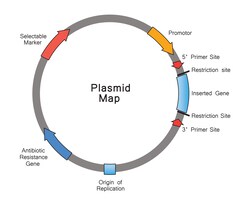
BIOHIPPO AAV-mCD68-EGFP-5'miR-30-shRNA(scramble)-3'miR-30-WPREs
Recombinant adeno associated virus expressing 5'miR-30-shRNA(scramble)-3'miR-30 fused to EGFP under the mCD68 promoter with WPRE and hGH polyA elements. Offered under the Biohippo AAVX Series with multiple serotypes available including AAV2/1, AAV2/2, AAV2/5, AAV2/6, AAV2/6m, AAV2/6.2FF, AAV2/7m8, AAV2/8, AAV2/9, AAV2/DJ, AAV2/DJ8, AAV2/Retro, AAV2/PHP.eB, AAV2/PHP.B, AAV2/rh10, AAV2/PHP.S, AAV2/anc80, AAV2/B10, AAV2/olig001, AAV2/BI30, AAV2/BR1, AAV2/MG1.2, AAV1/2, AAV2/MaCPNS1, and AAV2/MaCPNS2. Regular titer is greater than or equal to 2.00E+12 vg per mL, with high titer greater than or equal to 1.00E+13 vg per mL available upon request at no additional cost. Customers may specify preferred serotype and titer when placing orders.

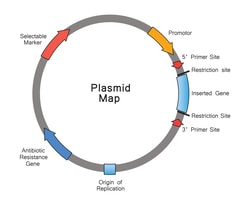
BIOHIPPO AAV-CMV-mCherry-bGH-polyA-U6-SasgRNA(scramble)
Recombinant adeno associated virus expressing SasgRNA (scramble) fused to mCherry under the CMV U6 promoter with WPRE and hGH polyA elements. Offered under the Biohippo AAVX Series with multiple serotypes available including AAV2/1, AAV2/2, AAV2/5, AAV2/6, AAV2/6m, AAV2/6.2FF, AAV2/7m8, AAV2/8, AAV2/9, AAV2/DJ, AAV2/DJ8, AAV2/Retro, AAV2/PHP.eB, AAV2/PHP.B, AAV2/rh10, AAV2/PHP.S, AAV2/anc80, AAV2/B10, AAV2/olig001, AAV2/BI30, AAV2/BR1, AAV2/MG1.2, AAV1/2, AAV2/MaCPNS1, and AAV2/MaCPNS2. Regular titer is greater than or equal to 2.00E+12 vg per mL, with high titer greater than or equal to 1.00E+13 vg per mL available upon request at no additional cost. Customers may specify preferred serotype and titer when placing orders.
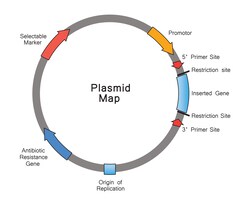
BIOHIPPO AAV-GFAP(681bp)-EGFP-5'miR-30-shRNA(scramble)-3'miR-30-WPREs
Recombinant adeno associated virus expressing 5'miR-30-shRNA(scramble)-3'miR-30 fused to EGFP under the GFAP promoter with WPRE and hGH polyA elements. Offered under the Biohippo AAVX Series with multiple serotypes available including AAV2/1, AAV2/2, AAV2/5, AAV2/6, AAV2/6m, AAV2/6.2FF, AAV2/7m8, AAV2/8, AAV2/9, AAV2/DJ, AAV2/DJ8, AAV2/Retro, AAV2/PHP.eB, AAV2/PHP.B, AAV2/rh10, AAV2/PHP.S, AAV2/anc80, AAV2/B10, AAV2/olig001, AAV2/BI30, AAV2/BR1, AAV2/MG1.2, AAV1/2, AAV2/MaCPNS1, and AAV2/MaCPNS2. Regular titer is greater than or equal to 2.00E+12 vg per mL, with high titer greater than or equal to 1.00E+13 vg per mL available upon request at no additional cost. Customers may specify preferred serotype and titer when placing orders.

BIOHIPPO AAV-TBG-mCherry-5'miR-30-shRNA(scramble)-3'miR-30-WPREs
Recombinant adeno associated virus expressing 5'miR-30-shRNA(scramble)-3'miR-30 fused to mCherry under the TBG promoter with WPRE and hGH polyA elements. Offered under the Biohippo AAVX Series with multiple serotypes available including AAV2/1, AAV2/2, AAV2/5, AAV2/6, AAV2/6m, AAV2/6.2FF, AAV2/7m8, AAV2/8, AAV2/9, AAV2/DJ, AAV2/DJ8, AAV2/Retro, AAV2/PHP.eB, AAV2/PHP.B, AAV2/rh10, AAV2/PHP.S, AAV2/anc80, AAV2/B10, AAV2/olig001, AAV2/BI30, AAV2/BR1, AAV2/MG1.2, AAV1/2, AAV2/MaCPNS1, and AAV2/MaCPNS2. Regular titer is greater than or equal to 2.00E+12 vg per mL, with high titer greater than or equal to 1.00E+13 vg per mL available upon request at no additional cost. Customers may specify preferred serotype and titer when placing orders.
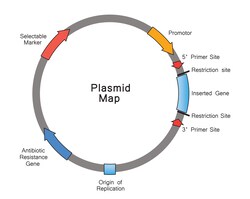
BIOHIPPO AAV-CMV-DIO-EGFP-5'miR-30-shRNA(scramble-)--3'miR-30-5'miR-30-shRNA(scramble-)--3'miR-30-WPRE-hGH-polyA
Recombinant adeno associated virus expressing 5'miR-30-shRNA(scramble)-3'miR-30 fused to EGFP under the CMV promoter with WPRE and hGH polyA elements. The Cre dependent configuration enables expression only after recombination, providing precise targeted control of targeted neurons. Offered under the Biohippo AAVX Series with multiple serotypes available including AAV2/1, AAV2/2, AAV2/5, AAV2/6, AAV2/6m, AAV2/6.2FF, AAV2/7m8, AAV2/8, AAV2/9, AAV2/DJ, AAV2/DJ8, AAV2/Retro, AAV2/PHP.eB, AAV2/PHP.B, AAV2/rh10, AAV2/PHP.S, AAV2/anc80, AAV2/B10, AAV2/olig001, AAV2/BI30, AAV2/BR1, AAV2/MG1.2, AAV1/2, AAV2/MaCPNS1, and AAV2/MaCPNS2. Regular titer is greater than or equal to 2.00E+12 vg per mL, with high titer greater than or equal to 1.00E+13 vg per mL available upon request at no additional cost. Customers may specify preferred serotype and titer when placing orders.
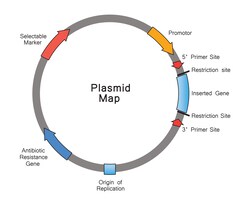
BIOHIPPO AAV-U6-SpsgRNA(scramble)-CMV-EGFP-bGH-polyA
Recombinant adeno associated virus expressing SpsgRNA (scramble) fused to EGFP under the U6 CMV promoter with WPRE and hGH polyA elements. Offered under the Biohippo AAVX Series with multiple serotypes available including AAV2/1, AAV2/2, AAV2/5, AAV2/6, AAV2/6m, AAV2/6.2FF, AAV2/7m8, AAV2/8, AAV2/9, AAV2/DJ, AAV2/DJ8, AAV2/Retro, AAV2/PHP.eB, AAV2/PHP.B, AAV2/rh10, AAV2/PHP.S, AAV2/anc80, AAV2/B10, AAV2/olig001, AAV2/BI30, AAV2/BR1, AAV2/MG1.2, AAV1/2, AAV2/MaCPNS1, and AAV2/MaCPNS2. Regular titer is greater than or equal to 2.00E+12 vg per mL, with high titer greater than or equal to 1.00E+13 vg per mL available upon request at no additional cost. Customers may specify preferred serotype and titer when placing orders.
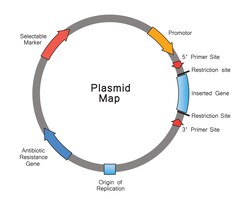
BIOHIPPO AAV-EF1a-Cre-P2A-mCherry-WPRE-hGH-polyA
Recombinant adeno associated virus expressing Cre fused to mCherry under the EF1a promoter with WPRE and hGH polyA elements. The Cre dependent configuration enables expression only after recombination, providing precise targeted control of targeted neurons. Offered under the Biohippo AAVX Series with multiple serotypes available including AAV2/1, AAV2/2, AAV2/5, AAV2/6, AAV2/6m, AAV2/6.2FF, AAV2/7m8, AAV2/8, AAV2/9, AAV2/DJ, AAV2/DJ8, AAV2/Retro, AAV2/PHP.eB, AAV2/PHP.B, AAV2/rh10, AAV2/PHP.S, AAV2/anc80, AAV2/B10, AAV2/olig001, AAV2/BI30, AAV2/BR1, AAV2/MG1.2, AAV1/2, AAV2/MaCPNS1, and AAV2/MaCPNS2. Regular titer is greater than or equal to 2.00E+12 vg per mL, with high titer greater than or equal to 1.00E+13 vg per mL available upon request at no additional cost. Customers may specify preferred serotype and titer when placing orders.
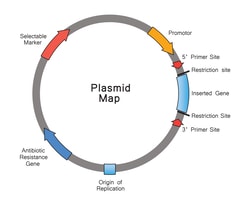
BIOHIPPO AAV-CaMKIIa-Cre-mCherry-WPRE-bGH-polyA
Recombinant adeno associated virus expressing Cre fused to mCherry under the CaMKIIa promoter with WPRE and hGH polyA elements. The Cre dependent configuration enables expression only after recombination, providing precise targeted control of targeted neurons. Offered under the Biohippo AAVX Series with multiple serotypes available including AAV2/1, AAV2/2, AAV2/5, AAV2/6, AAV2/6m, AAV2/6.2FF, AAV2/7m8, AAV2/8, AAV2/9, AAV2/DJ, AAV2/DJ8, AAV2/Retro, AAV2/PHP.eB, AAV2/PHP.B, AAV2/rh10, AAV2/PHP.S, AAV2/anc80, AAV2/B10, AAV2/olig001, AAV2/BI30, AAV2/BR1, AAV2/MG1.2, AAV1/2, AAV2/MaCPNS1, and AAV2/MaCPNS2. Regular titer is greater than or equal to 2.00E+12 vg per mL, with high titer greater than or equal to 1.00E+13 vg per mL available upon request at no additional cost. Customers may specify preferred serotype and titer when placing orders.
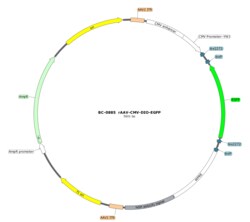
BIOHIPPO AAV-CMV-DIO-EGFP-WPRE-hGH-polyA
Recombinant adeno associated virus expressing EGFP under the CMV promoter with WPRE and hGH polyA elements. The Cre dependent configuration enables expression only after recombination, providing precise targeted control of targeted neurons. Offered under the Biohippo AAVX Series with multiple serotypes available including AAV2/1, AAV2/2, AAV2/5, AAV2/6, AAV2/6m, AAV2/6.2FF, AAV2/7m8, AAV2/8, AAV2/9, AAV2/DJ, AAV2/DJ8, AAV2/Retro, AAV2/PHP.eB, AAV2/PHP.B, AAV2/rh10, AAV2/PHP.S, AAV2/anc80, AAV2/B10, AAV2/olig001, AAV2/BI30, AAV2/BR1, AAV2/MG1.2, AAV1/2, AAV2/MaCPNS1, and AAV2/MaCPNS2. Regular titer is greater than or equal to 2.00E+12 vg per mL, with high titer greater than or equal to 1.00E+13 vg per mL available upon request at no additional cost. Customers may specify preferred serotype and titer when placing orders.
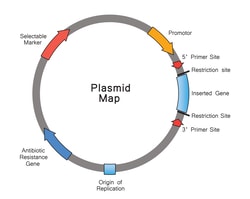
BIOHIPPO AAV-TH-EGFP-5'miR-30-shRNA(scramble)-3'miR-30-WPREs
Recombinant adeno associated virus expressing 5'miR-30-shRNA(scramble)-3'miR-30 fused to EGFP under the TH promoter with WPRE and hGH polyA elements. Offered under the Biohippo AAVX Series with multiple serotypes available including AAV2/1, AAV2/2, AAV2/5, AAV2/6, AAV2/6m, AAV2/6.2FF, AAV2/7m8, AAV2/8, AAV2/9, AAV2/DJ, AAV2/DJ8, AAV2/Retro, AAV2/PHP.eB, AAV2/PHP.B, AAV2/rh10, AAV2/PHP.S, AAV2/anc80, AAV2/B10, AAV2/olig001, AAV2/BI30, AAV2/BR1, AAV2/MG1.2, AAV1/2, AAV2/MaCPNS1, and AAV2/MaCPNS2. Regular titer is greater than or equal to 2.00E+12 vg per mL, with high titer greater than or equal to 1.00E+13 vg per mL available upon request at no additional cost. Customers may specify preferred serotype and titer when placing orders.
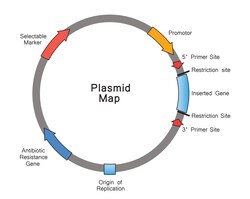
BIOHIPPO AAV-VGAT1-EGFP-5'miR-30-shRNA(scramble)-3'miR-30-WPREs
Recombinant adeno associated virus expressing 5'miR-30-shRNA(scramble)-3'miR-30 fused to EGFP under the VGAT1 promoter with WPRE and hGH polyA elements. Offered under the Biohippo AAVX Series with multiple serotypes available including AAV2/1, AAV2/2, AAV2/5, AAV2/6, AAV2/6m, AAV2/6.2FF, AAV2/7m8, AAV2/8, AAV2/9, AAV2/DJ, AAV2/DJ8, AAV2/Retro, AAV2/PHP.eB, AAV2/PHP.B, AAV2/rh10, AAV2/PHP.S, AAV2/anc80, AAV2/B10, AAV2/olig001, AAV2/BI30, AAV2/BR1, AAV2/MG1.2, AAV1/2, AAV2/MaCPNS1, and AAV2/MaCPNS2. Regular titer is greater than or equal to 2.00E+12 vg per mL, with high titer greater than or equal to 1.00E+13 vg per mL available upon request at no additional cost. Customers may specify preferred serotype and titer when placing orders.
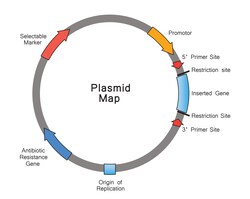
BIOHIPPO AAV-CMV-DIO-(EGFP-U6)-shRNA(scramble)-WPRE-hGH-polyA
Recombinant adeno associated virus expressing shRNA (scramble) fused to EGFP under the CMV promoter with WPRE and hGH polyA elements. The Cre dependent configuration enables expression only after recombination, providing precise targeted control of targeted neurons. Offered under the Biohippo AAVX Series with multiple serotypes available including AAV2/1, AAV2/2, AAV2/5, AAV2/6, AAV2/6m, AAV2/6.2FF, AAV2/7m8, AAV2/8, AAV2/9, AAV2/DJ, AAV2/DJ8, AAV2/Retro, AAV2/PHP.eB, AAV2/PHP.B, AAV2/rh10, AAV2/PHP.S, AAV2/anc80, AAV2/B10, AAV2/olig001, AAV2/BI30, AAV2/BR1, AAV2/MG1.2, AAV1/2, AAV2/MaCPNS1, and AAV2/MaCPNS2. Regular titer is greater than or equal to 2.00E+12 vg per mL, with high titer greater than or equal to 1.00E+13 vg per mL available upon request at no additional cost. Customers may specify preferred serotype and titer when placing orders.
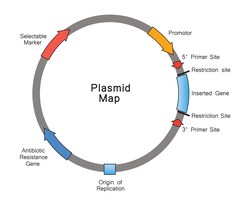
BIOHIPPO AAV-CaMKIIa-DIO-EGFP-5'miR-30-shRNA(scramble)-3'miR-30-WPREs
Recombinant adeno associated virus expressing 5'miR-30-shRNA(scramble)-3'miR-30 fused to EGFP under the CaMKIIa promoter with WPRE and hGH polyA elements. The Cre dependent configuration enables expression only after recombination, providing precise targeted control of targeted neurons. Offered under the Biohippo AAVX Series with multiple serotypes available including AAV2/1, AAV2/2, AAV2/5, AAV2/6, AAV2/6m, AAV2/6.2FF, AAV2/7m8, AAV2/8, AAV2/9, AAV2/DJ, AAV2/DJ8, AAV2/Retro, AAV2/PHP.eB, AAV2/PHP.B, AAV2/rh10, AAV2/PHP.S, AAV2/anc80, AAV2/B10, AAV2/olig001, AAV2/BI30, AAV2/BR1, AAV2/MG1.2, AAV1/2, AAV2/MaCPNS1, and AAV2/MaCPNS2. Regular titer is greater than or equal to 2.00E+12 vg per mL, with high titer greater than or equal to 1.00E+13 vg per mL available upon request at no additional cost. Customers may specify preferred serotype and titer when placing orders.
BIOHIPPO AAV-hSyn-DO-EGFP-WPREs
Recombinant adeno associated virus expressing EGFP under the hSyn promoter with WPRE and hGH polyA elements. The Cre dependent configuration enables expression only after recombination, providing precise targeted control of targeted neurons. Offered under the Biohippo AAVX Series with multiple serotypes available including AAV2/1, AAV2/2, AAV2/5, AAV2/6, AAV2/6m, AAV2/6.2FF, AAV2/7m8, AAV2/8, AAV2/9, AAV2/DJ, AAV2/DJ8, AAV2/Retro, AAV2/PHP.eB, AAV2/PHP.B, AAV2/rh10, AAV2/PHP.S, AAV2/anc80, AAV2/B10, AAV2/olig001, AAV2/BI30, AAV2/BR1, AAV2/MG1.2, AAV1/2, AAV2/MaCPNS1, and AAV2/MaCPNS2. Regular titer is greater than or equal to 2.00E+12 vg per mL, with high titer greater than or equal to 1.00E+13 vg per mL available upon request at no additional cost. Customers may specify preferred serotype and titer when placing orders.